Field Cases

Reality Validates the Method.

Cases are not marketing stories and not construction tutorials. Each Case begins with the Field Reality that existed, shows the small set of verified facts that make that Field unique, and ends with the Resulting ISB.

How a Case is presented

  1. 1Field Reality
  2. 2Key verified Field facts
  3. 3Resulting ISB

Published Field Cases

Field Reality

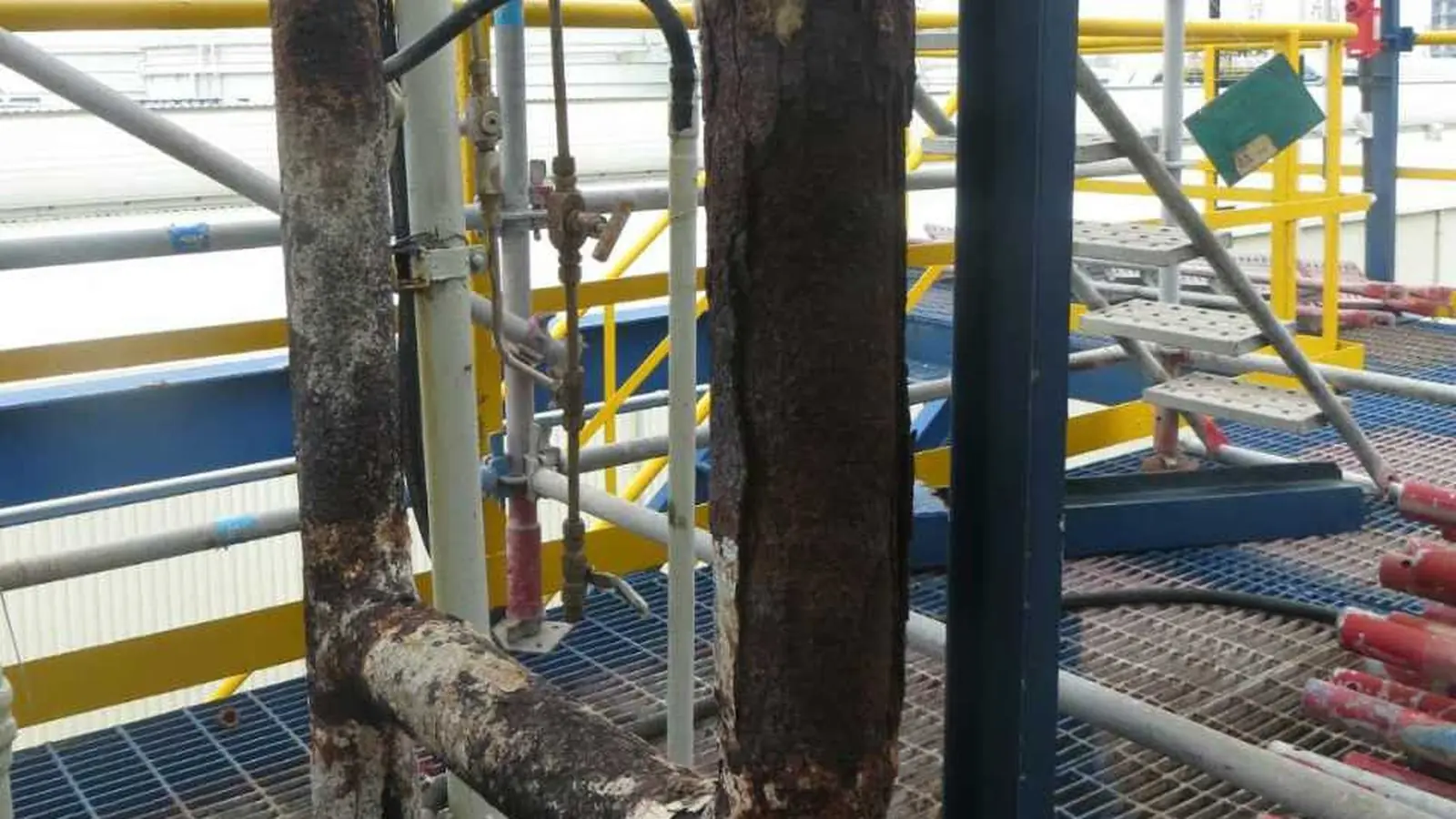
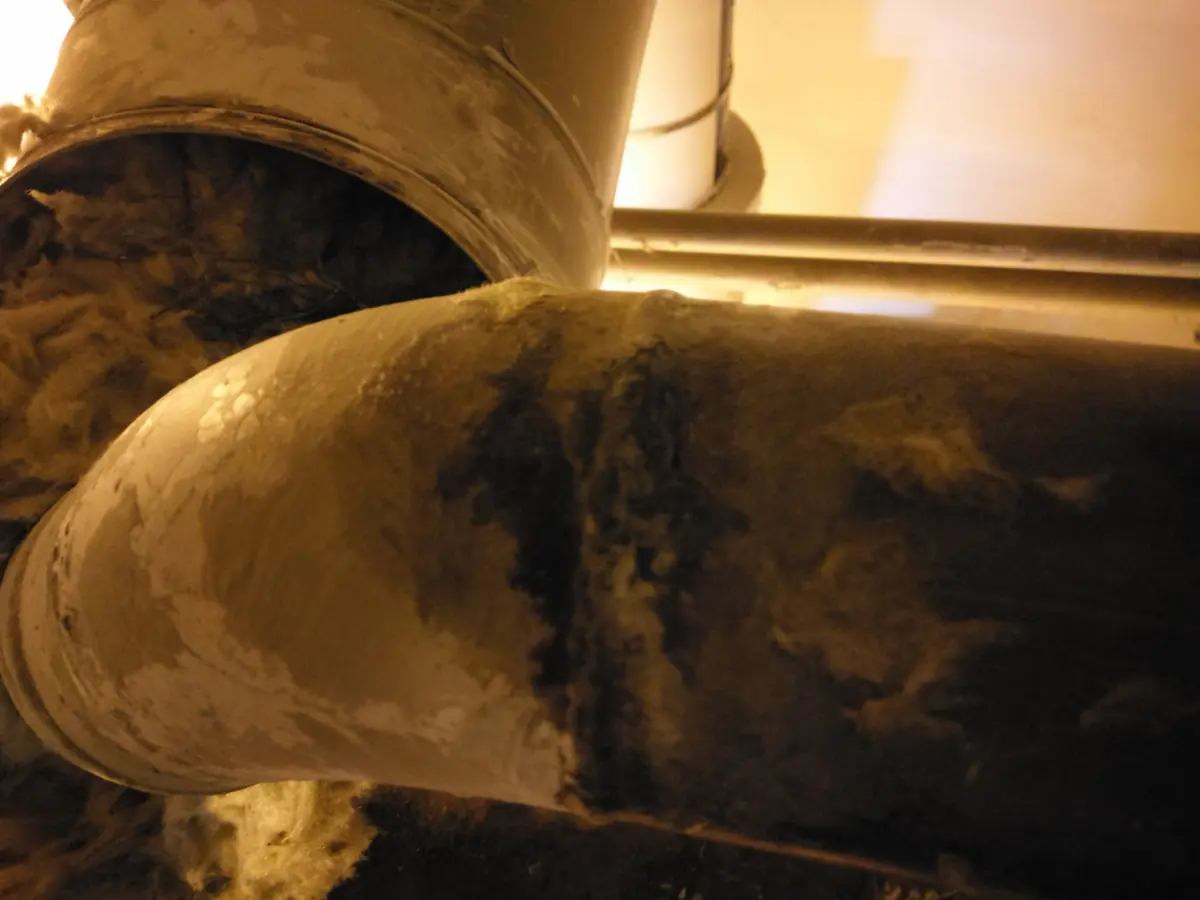
2-Ethylhexanol process line — reported weld leak

An insulated Ø100 mm process line carrying 2-ethylhexanol was leaking at a weld. The line normally ran at about 170 °C with occasional peaks to 200 °C. The insulation had to be opened before anyone could see the weld at all, so the first Field task was simply getting to the condition. For this Case the written procedure required the line to be shut down and cooled before hands-on ISB construction.

Medium
2-Ethylhexanol (2EH / isooctanol) operator-reported service
Pressure
0.4 MPa operator-reported
Temperature
170 °C operating, with occasional peaks to 200 °C operator-reported
Asset
Insulated Ø100 mm process line operator-reported
Geometry
Weld on an insulated process line, accessible only after the insulation was opened observed in the Field record
Field condition
Reported leak at a weld, hidden beneath insulation until the insulation was opened observed in the Field record
Dominant hazard / constraint
Hot organic process fluid at a concealed weld; the written procedure required shutdown and cooling before hands-on construction operator-reported procedure for this Case

Resulting ISB

An ISB was constructed around the weld region and finished with an external protection layer. The source record documents the construction sequence only.
See this Field

Field Reality

LNG-service piping — welded branch leak

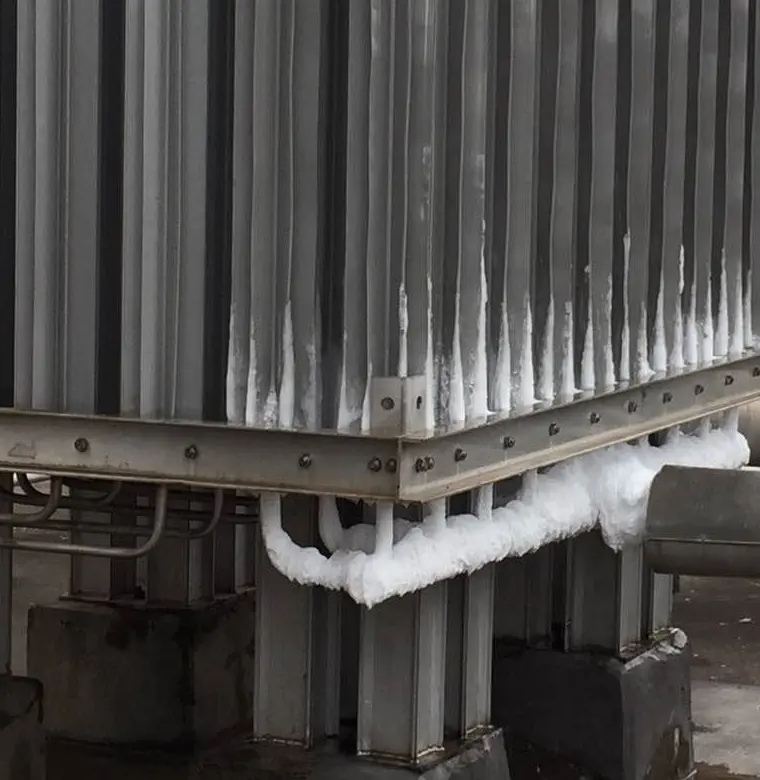
LNG-service pipework cycling rapidly between a warm state of roughly 10–50 °C and a reported cryogenic phase near −173 °C. The leak was reported at a branch-to-header weld — the point where two different thermal responses meet. Frost stood on the operating pipework during the cryogenic phase, which is how the condition announced itself.

Medium
LNG operator-reported service
Temperature
Warm state approximately 10–50 °C, cryogenic phase reported near −173 °C operator-reported; describes this Case and its transitions, not a continuous-service rating
Asset
LNG-service pipework with welded branch connections operator-reported
Geometry
Branch-to-header welded connection observed in the Field record
Field condition
Reported leak at a welded branch, under rapid warm-to-cryogenic cycling; localised frosting visible during the cryogenic phase observed in the Field record
Dominant hazard / constraint
Repeated differential thermal movement at a welded geometry an engineering consideration for this Case; the record does not establish root cause

Resulting ISB

Case-specific ISBs were constructed around the welded branch connections and given a fibre-reinforced external protection layer. The completed bodies were observed in place during the reported cryogenic operating phase.

See this Field

Field Reality

Natural gas line — corrosion under insulation

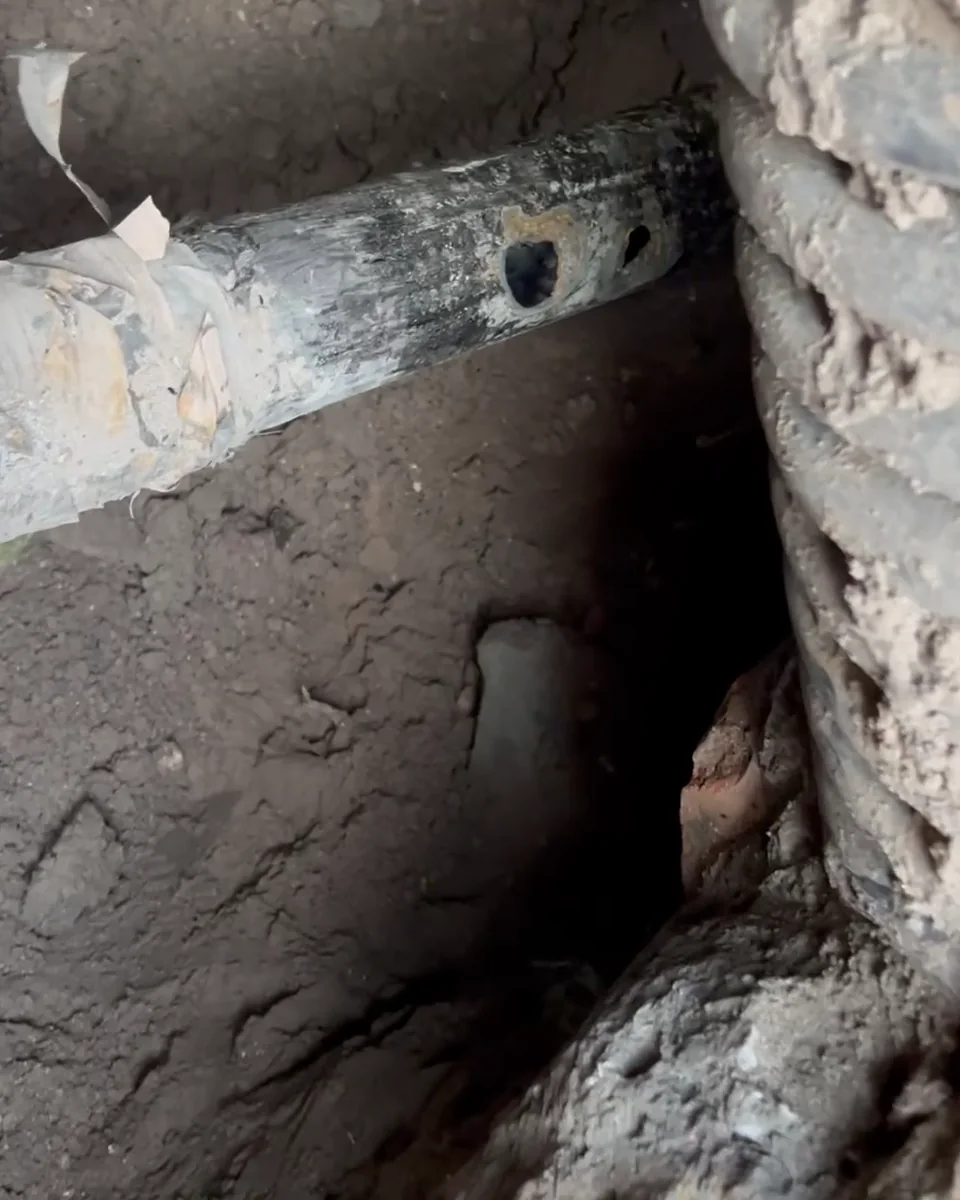
A buried, insulated natural gas line was leaking beneath its insulation. The leak was audible before construction began. The line sat in an excavated, constrained space, so the working geometry was decided by the excavation rather than by preference.

Medium
Natural gas operator-reported service
Asset
DN100 steel pipe operator-reported
Geometry
Buried, insulated run in an excavated pit observed in the Field record
Field condition
Corrosion under insulation, with an audible leak before construction observed in the Field record
Dominant hazard / constraint
Escaping natural gas in a confined excavation with constrained access observed in the Field record

Resulting ISB

An ISB was constructed around the affected run inside the excavation, then given an armoured outer protection layer for buried service.

See this Field

Field Reality

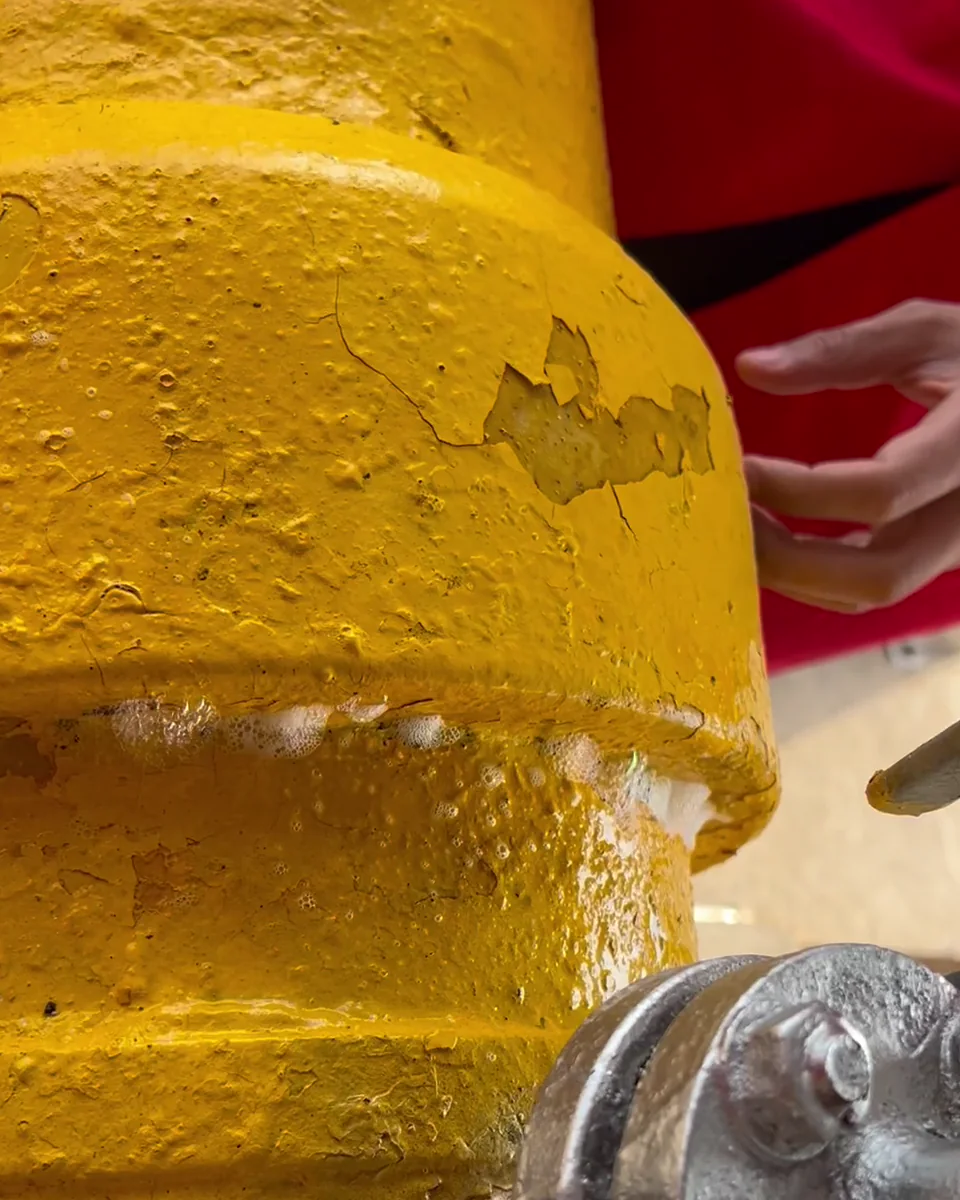
Natural gas supply station — reducer connection

A reducer connection at a natural gas supply station was leaking. Leak-detection liquid applied to the connection produced visible bubbles. The position of the connection within the station left very little working clearance around it.

Medium
Natural gas operator-reported service
Asset
Reducer connection at a gas supply station operator-reported
Geometry
Reducer transition with limited working clearance around the connection observed in the Field record
Field condition
Leak confirmed by leak-detection liquid producing visible bubbles at the connection observed in the Field record
Dominant hazard / constraint
Escaping natural gas at a connection with constrained construction access observed in the Field record

Resulting ISB

An ISB was constructed around the reducer connection within the available clearance, and armoured protection was installed over the completed body.

See this Field

Field Reality

Oilfield gathering station — crude oil line

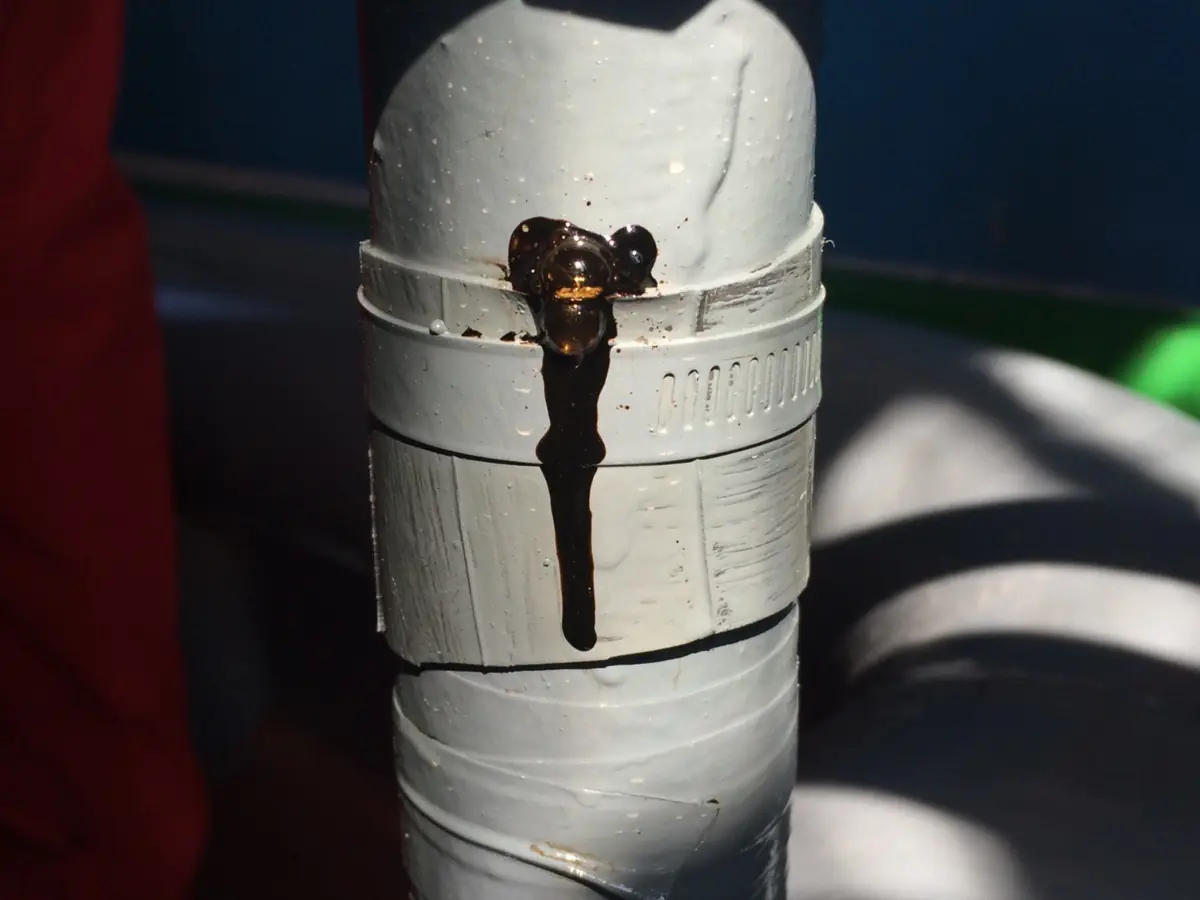
A crude oil line at an oilfield gathering station had a perforation leak. A clamp and plastic pad had already been fitted as a temporary measure and had begun leaking again quickly. The Field that DendroSeal was asked to look at was therefore not a bare pipe: it was a pipe with a failed prior repair still on it, and dark liquid running from underneath it.

Medium
Crude oil operator-reported service
Pressure
10 bar operator-reported
Asset
DN100 steel pipe at a gathering station operator-reported
Geometry
Vertical run carrying a previously fitted clamp and plastic pad observed in the Field record
Field condition
Perforation leak; the prior clamp and plastic pad re-leaked quickly operator-reported and visible in the Field record
Dominant hazard / constraint
Continuing crude oil release from beneath a failed temporary repair observed in the Field record

Resulting ISB

No completed-state record is published for this Field.

See this Field

Field Reality

PE400 — 100 mm opening, controlled leak-control sealing

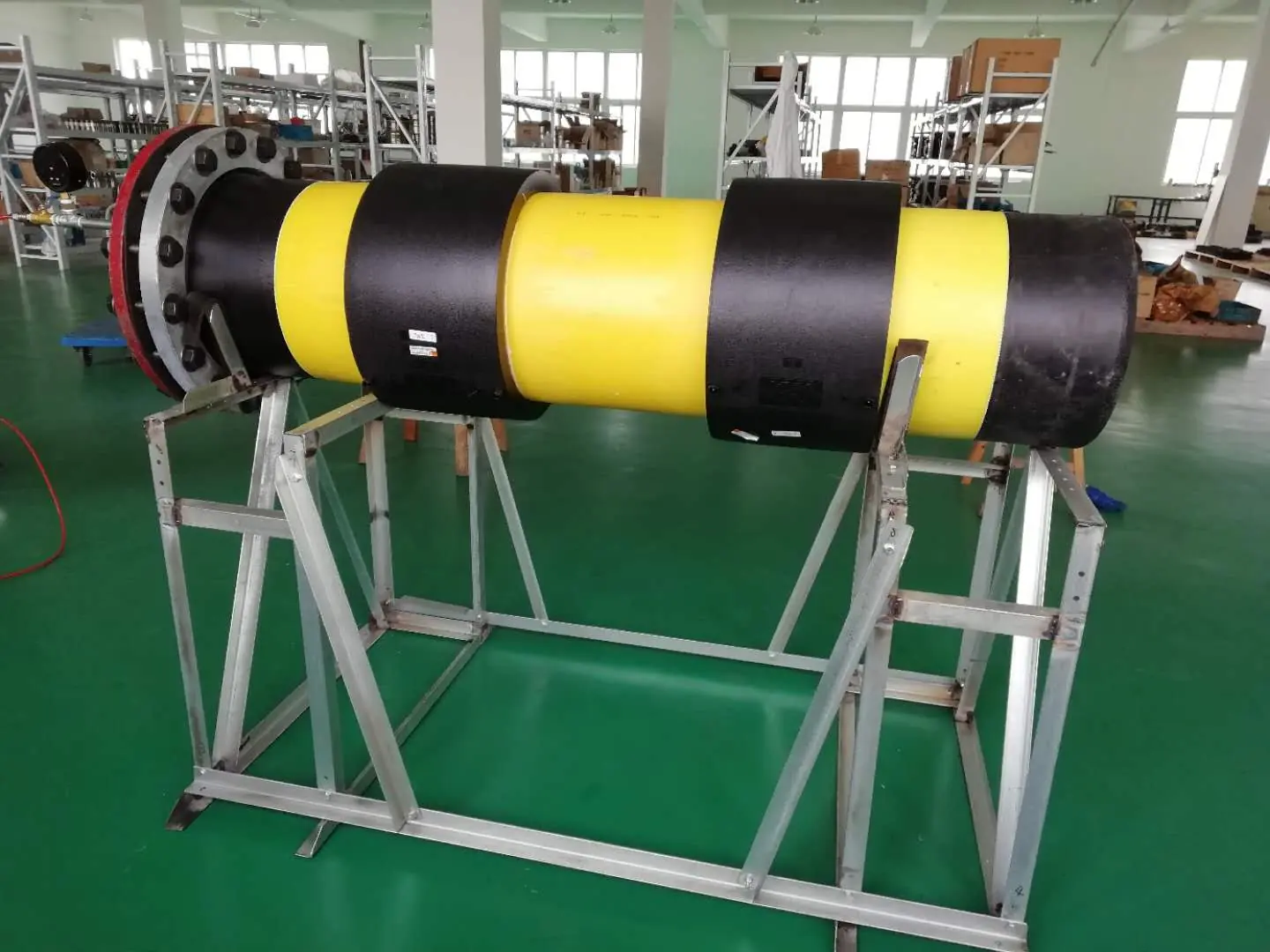
A 400 mm polyethylene pipe carrying a 100 mm opening, mounted on a support frame as a controlled configuration. The opening was measured against a steel rule rather than assumed. At the stated 0.4 MPa pressure basis, an opening that size develops a pressure-area force of about 3.14 kN that any sealing body has to hold.

Medium
Controlled configuration — no process medium this is a controlled DendroSeal configuration, not an operating customer asset
Pressure
0.4 MPa stated pressure basis for the configuration
Pressure basis
≈ 3.14 kN pressure-area force across the 100 mm opening derived from the stated 0.4 MPa basis and the measured opening diameter
Asset
400 mm polyethylene pipe on a support frame controlled configuration
Geometry
100 mm opening in a 400 mm outside-diameter PE pipe opening measured against a steel rule in the Field record
Field condition
Large single opening relative to pipe diameter, on a low-stiffness polyethylene wall observed in the Field record
Dominant hazard / constraint
Opening area large enough that pressure alone does not describe the problem observed in the Field record

Resulting ISB

An ISB was constructed around the opening region and closed it under the stated pressure basis. The completed body is the end of this Case sequence.

See this Field

Field Reality

Saturated steam — recorded release condition

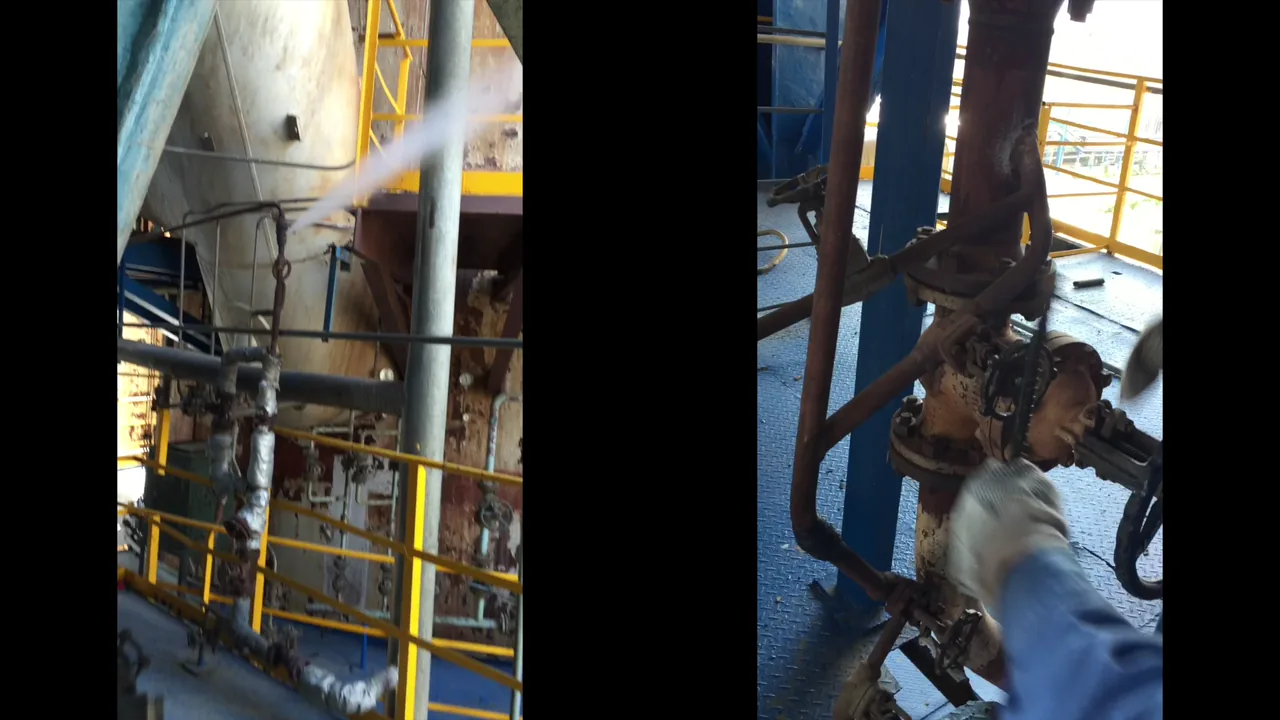
A saturated steam release recorded in the Field, with its original sound. The condition was reported as having remained unresolved for approximately four years before DendroSeal was asked to evaluate it. Some Field Realities have to be heard as well as seen: the recording establishes how the escape actually behaved, which a still photograph cannot.

Medium
Saturated steam operator-reported service
Field condition
Reported unresolved for approximately four years before DendroSeal was asked to evaluate it operator-reported; the statement stays tied to its Case source record
Dominant hazard / constraint
Sustained saturated steam release observed in the recorded Field derivative

Resulting ISB

No completed-state record is published for this Field.

See this Field

Field Reality

Styrene Monomer service line

A 3-inch steel line in styrene monomer service had corroded until almost nothing of the original wall was left. The reported minimum remaining wall was 0.3 mm, from an original 5.49 mm — about 94.5% of the wall gone. The line ran vertically and turned through a bend near its base, so whatever was done had to follow that geometry rather than a convenient straight section.

Medium
Styrene Monomer operator-reported service
Pressure
0.6 MPa operator-reported
Asset
3-inch steel service line operator-reported
Geometry
Vertical run continuing through a lower bend observed in the Field record
Field condition
Severe external corrosion — reported minimum wall 0.3 mm from an original 5.49 mm, about 94.5% reported wall loss operator-reported
Dominant hazard / constraint
Almost no pressure-retaining wall left in styrene monomer service observed in the Field record

Resulting ISB

An ISB was constructed around the corroded run and carried continuously through the vertical section and the lower bend as one body, rather than as separate patches at separate places.

See this Field

Cases continuously test the Method across different Realities. A Case never implies that its Solution should be copied into another Field. DendroSeal publishes only de-identified Field derivatives supported by case-specific authorization and technical review.